All the days began and ended with crimson, whether flowing with an abundance of tangerine or saturated with the soft hues of saffron, depended mostly on the seasonal viridian. The afternoon sky never changed though, always a pale azure. Why couldn’t it ever be a shade of purple like amethyst?
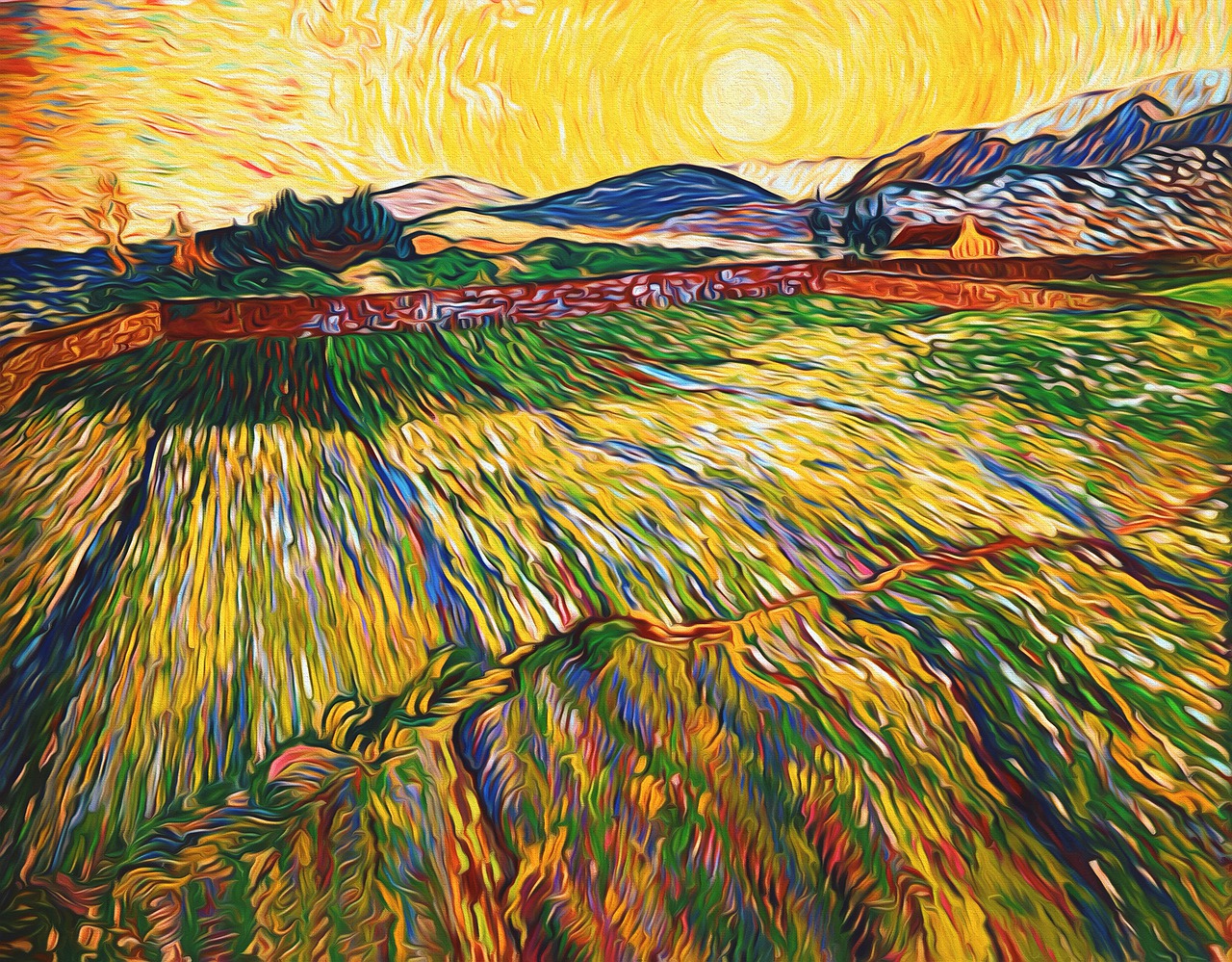
She’d always delighted in things of amethyst, and as all days began and ended with crimson, she accepted the fact that she’d always face the effects of azure. In the lull of the day, she’d close her eyes and see lazy shades of tangerine, but opening them once more; she was snapped back to the views of viridian. Sometimes the sweeping countryside was painted yellow like saffron;
harvest time was the beginning of the days of saffron. She wondered why the meadows couldn’t ever be lilac like amethyst; for now, they were a lovely shade of viridian. And as the day moved along, there came creases of crimson with its various placid shades of tangerine. The blue from earlier didn’t seem so bad now; what was wrong with azure?
Yet deep in her heart, she knew the answer to azure, and as her hair glowed in the last light of saffron, and as the day passed over with a faint tinge of tangerine, she laid back and dreamt of a world colored in amethyst. The following day, she was awoken by streams of crimson, and out in the far-off distance, shown waves of vivacious viridian.
But as the winds blew east to west, casting shadows on its viridian, the sky began to blacken, turning a darker shade of azure. Then the poppies swayed, brilliant in their beds of crimson, each little face marked boldly with a fleck of saffron. And against the foreboding sky, still absent of amethyst, a bolt of lightning struck in trembling tangerine.
The whole landscape then unfurled, transforming to tangerine. Black plumes of smoke choked out all the velvety viridian, and in the wake of disaster came a sudden array of amethyst. Fiery fields full of bloodthirsty life blotted out any hope for azure and wilted away the soon-to-be season of saffron. All was cursed now in the vilest of crimson.
She stood and prayed for the sky to regain conscious efforts of azure. Sadly, the waves of fortitude would not yield its season of saffron. Patchworks of hopefulness died that day in a different kind of crimson.
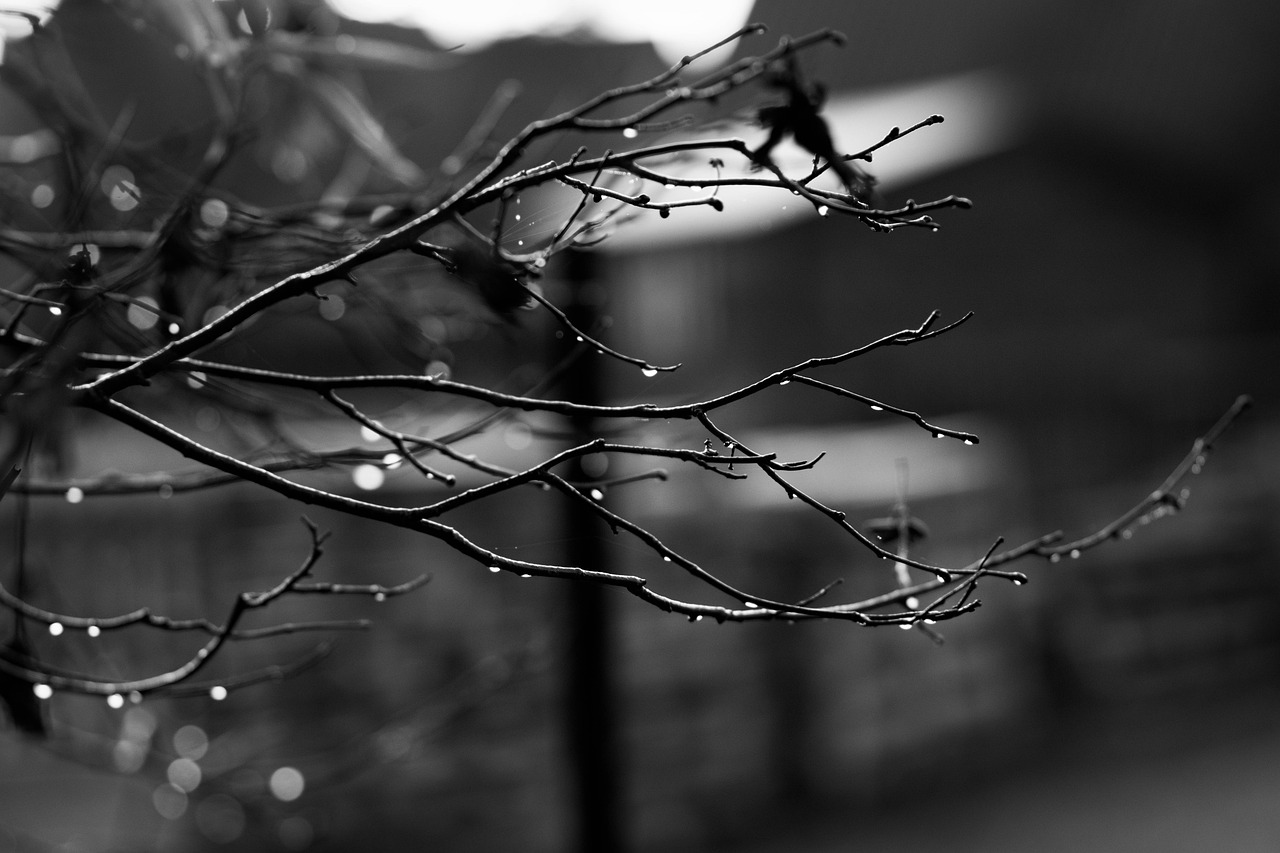
Damp and decaying like timeworn leather, the wind stirs each fossilized apparition. Holding fast against the sultry winds of time; clinging, dependent, on limp limbs. These creaky extremities reach for silhouetted faces, haunting shadows with limited life. And in withered strain feeble fists persevere, while the sufferings of the season wilt within the crowd. Littering the pavement like languorous petals, inky remembrances of rosier days pass on. In the bleakness of the night with a shudder and a sigh, wasting away in the wet rot of decomposing rainbows. Now black and spoiled against the barren bough.
*Golden Shovel Poetry Writing Exercise The only rule for this type of poem is that each word of your source poem must appear as the last word of each line in your poem—and they should be in the order that they appear in the original. Your poem will contain as many lines as your source poem has words.
Here’s the poem I chose to use. (So if you read down my poem, the end of each line uses all these words in order.)
In the Station of the Metro
The apparition of these faces in the crowd: Petals on a wet, black bough.
With every sunrise I love you more Your smiling eyes Everything I adore Thru time and space We’ve kept our love Explosive cosmic energy Everything we’re made of Sparks of passion Igniting every day This volcanic connection Can’t stay away Everything you are Is everything I am I can’t stop feeling So I send a telegram Heart wrapped up A gift for you Everything I do I do for you



 Her Writing Haven